
Phase 1 Orthodontics – Riverton, WY
Improving Oral Growth and Development

At Children’s Dentistry of Central Wyoming, we want young smiles to remain healthy as they grow. When children as young as 6 start experiencing issues related to their bite and jaw, it’s important to seek professional treatment before the situation worsens. Without Phase 1 Orthodontics in Central Wyoming, they may require complex procedures in the future to ensure a functional, healthy smile. Call to schedule a consultation with Dr. Paulson today if you think your child might need further examination.
How Phase 1 Orthodontics Works
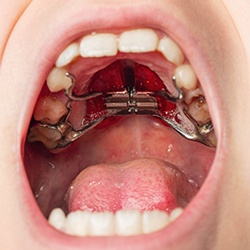
Phase 1 Orthodontics addresses early issues related to your child’s jaw and bite alignment and function. When the right appliances are used to interrupt improper growth, it reduces your child’s chances of developing overcrowded or impacted teeth, as well as TMJ pain, poor facial positioning, and enamel erosion.
This type of treatment may be helpful if you notice that your child has a speech impediment due to their dental development, their teeth do not come together correctly, they breathe through their mouth, they have protruding teeth, or they practiced thumb-sucking early on, which altered their tooth and bite development.
Dr. Paulson may use palatal expanders, space maintainers, or other similar appliances to minimize these risks so that your child’s upper and lower jaws, teeth, and facial structures grow and develop without issue.
Who is a Good Candidate for Phase 1 Orthodontics?
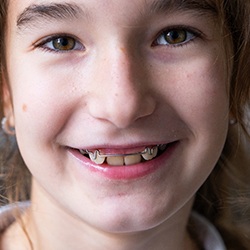
If you are unsure whether your child is a good candidate for Phase 1 Orthodontics, have them examined by Dr. Paulson and our team. This includes a complete evaluation of their bite, tooth alignment, and jaw. If there is a history of poor jaw and bite positioning in your family, your child will likely be at a higher risk.
If you notice any of the following signs, do not wait to schedule an appointment with our dental team:
- Children with gapped teeth
- Children who have difficulty speaking
- Children with sleep breathing issues (mouth breathing)
- Children with a disproportionate jaw
The Benefits of Phase 1 Orthodontics
During your child’s consultation, you can expect us to discuss the benefits of Phase 1 Orthodontics, but if you want an early introduction to the kind of advantages this treatment offers, here are a few to consider:
- Treatment addresses issues early on while their mouth is still developing
- It minimizes your child’s risk of developing serious oral and overall health issues later in life
- It makes it easier for your child to speak, eat, and smile confidently and comfortably
- It reduces the amount of time your child will need to wear braces in the future (if they need full braces)
- It makes it easier for your child to breathe easily in their sleep
Phase 1 Orthodontics FAQs
When does Phase 1 Orthodontics take place?
Kids typically undergo Phase 1 Orthodontics when they are 6 – 9 years of age. During this window, they usually have a mix of baby and permanent teeth. This is a critical stage of their oral development, and timely treatment can guide the growth of their teeth and jaws in order to prevent the need for more extensive care in the future.
If your child has not completed an orthodontic evaluation by the time they are 7 years old, please bring them to us right away! Dr. Paulson will perform a thorough examination and determine if Phase 1 treatment is necessary.
What appliances are used in Phase 1 Orthodontics?
The appliances used in Phase 1 Orthodontics in our East Riverton office depend on the unique needs of each child. Some devices that our team commonly recommends include:
- A palatal expander to create more space in the upper dental arch.
- A space maintainer to prevent teeth from drifting into the empty space left by a baby tooth that was lost prematurely.
- Limited braces to reposition certain teeth.
- A Herbst appliance to correct jaw imbalances and promote a healthy bite.
After Phase 1 treatment, a retainer may be necessary to prevent the teeth from drifting out of place.
Is Phase 1 Orthodontics painful?
We try to make the treatment experience as easy as possible for kids. Placement of orthodontic devices is usually painless; our team takes great care to minimize any discomfort.
Of course, it must be acknowledged that some soreness is common after the placement of orthodontic appliances. That is because the devices we use apply gentle pressure in order to promote healthy development of the oral structures. Most kids adapt to their appliances within just a few days. Over-the-counter pain relievers, cold compresses, and a soft diet can help to reduce discomfort in the meantime.
Does Phase 1 Orthodontics affect diet and nutrition?
If your child has a removable appliance, they should take it out at mealtimes. Then, they can enjoy virtually any food. If they have a fixed appliance, more caution is in order. Your child should not eat particularly tough or chewy items that might break or damage their braces, expander, or other devices. For example, they should not eat nuts, pizza crust, or crackers. Soft, easy-to-chew foods are a better option.
How long does Phase 1 orthodontic treatment last?
Each case is unique, but generally speaking, Phase 1 treatment lasts 9 – 12 months. During your child’s consultation, we can estimate a timeline for them. We will also provide advice on how you can avoid unnecessary delays. Complying with treatment instructions and not skipping appointments are both very important!